Underground Storage Tanks (USTs) are commonly used to store fuel, oil, or other petroleum products at residential, commercial, and industrial properties. Over time, these tanks can corrode, leak, and contaminate soil and groundwater, creating serious environmental and regulatory concerns.

_1758893596.png)
- Office Time:
- Monday to Friday 8:00am - 6:00pm
- Call Us:
- 203-553-9070
Environmental Expertise Backed by Certification
At Reliance Environmental, LLC, we provide trusted environmental testing, consulting, and project design services throughout Connecticut. Our licensed professionals and CT DPH-approved laboratory ensure every inspection, report, and project plan meets the highest OSHA, EPA, and state regulatory standards. We reduce risks, protect occupants, and support smarter decisions from start to finish. With expertise in lead, asbestos, mold, and indoor air quality, we deliver accurate results you can rely on. Our team partners with homeowners, businesses, and contractors to create safer, healthier environments.
"We also offer comprehensive training and compliance guidance to help clients stay ahead of evolving environmental regulations. Our proactive approach identifies potential hazards early, minimizing costly delays and liabilities. By combining advanced technology with hands-on expertise, we ensure every environment we assess is safe, compliant, and sustainable."
Our Approach
At Reliance Environmental, we believe in going beyond just testing. Our approach combines thorough site evaluations, clear communication, and actionable recommendations. From the initial inspection to final clearance, we work closely with our clients to ensure smooth processes and compliance with all regulatory requirements.
Our Expertise
We bring decades of combined experience in environmental testing, consulting, and compliance. Our team of certified professionals ensures every project—whether residential, commercial, or industrial—is handled with precision, safety, and care. With modern lab facilities and a client-focused approach, we deliver results that matter.
0
Satisfied Customers
0
Professional Agents
0
Hours Support
0
Project Finished
Our Services

Asbestos Testing & Consulting
Asbestos Testing & Consulting involves comprehensive inspections to identify asbestos-containing materials in buildings. Sampling, laboratory analysis, and risk assessment are performed to ensure compliance with OSHA, EPA, and state regulations. Detailed reports provide guidance for safe management or removal, helping clients minimize exposure and maintain healthy environments. Strict quality controls and certified lab procedures ensure accurate and reliable results for residential, commercial, and industrial properties.
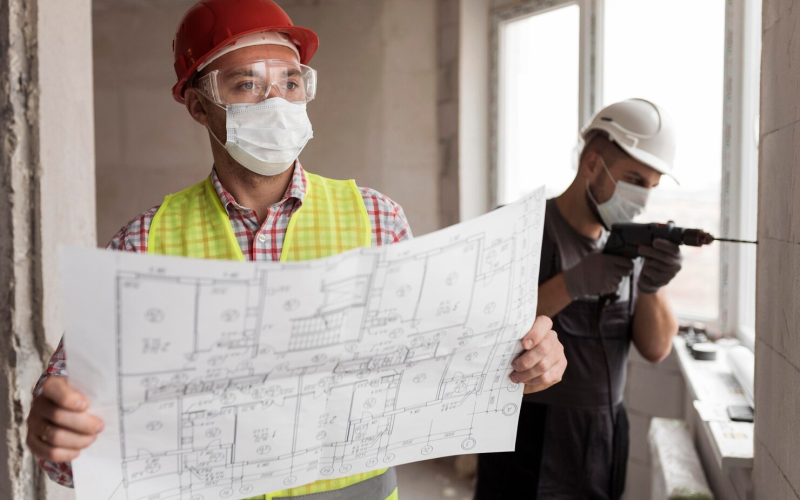
Asbestos Abatement Project Design
Asbestos Abatement Project Design provides customized plans for safe removal of asbestos-containing materials. Risk evaluation, method selection, workflow planning, and regulatory compliance checks are included. The approach minimizes exposure and ensures project efficiency. Certified professionals oversee all steps, from planning to execution. Detailed reports and documentation support client decision-making, maintain safety, and meet state and federal environmental regulations.

Asbestos Air Monitoring & Lab Services
Asbestos Air Monitoring & Lab services detect airborne asbestos fibers during construction, renovation, or abatement. Sampling uses phase contrast microscopy (PCM) and transmission electron microscopy (TEM), while laboratory analysis provides accurate results. Air quality is monitored continuously, and strict quality controls, including blanks, duplicates, and spikes, maintain data reliability. Reports support regulatory compliance and safe decision-making for residential, commercial, and industrial projects.
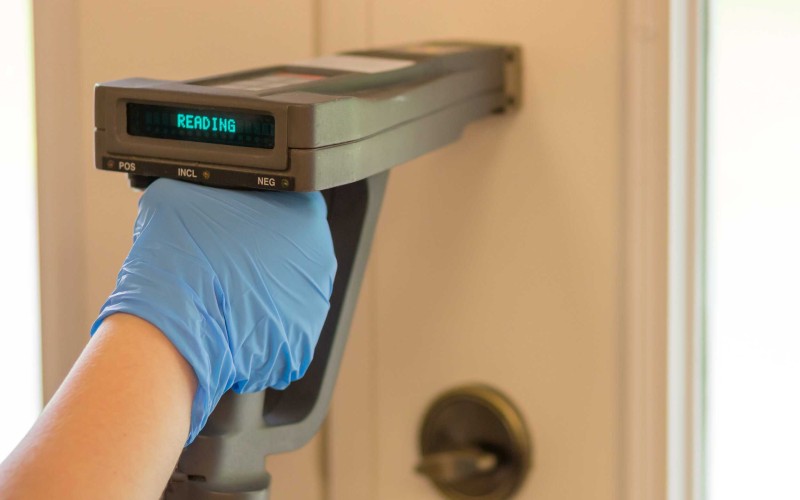
Lead-Based Paint Testing
Lead-Based Paint Testing identifies lead in paints, dust, and surfaces using XRF analyzers and lab-based chemical methods. Samples are collected according to EPA and HUD standards to ensure accurate and reliable results. Testing supports risk assessment, compliance, and safe management or remediation strategies. Detailed reports guide homeowners, contractors, and businesses in creating safer environments while maintaining strict quality and regulatory standards. Our team also provides expert recommendations to prevent future lead exposure and ensure long-term safety.
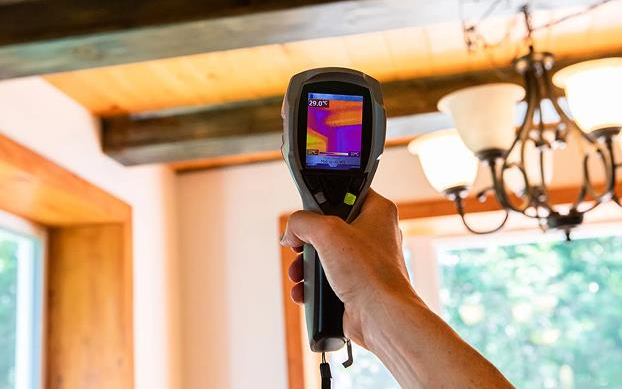
Indoor Air Quality Testing (IAQ)
Indoor Air Quality Testing evaluates air for pollutants such as mold spores, allergens, volatile organic compounds, and particulate matter. Sampling and laboratory analysis identify potential health risks in homes, offices, and schools. Data guides remediation, ventilation improvements, and environmental management. Strict quality controls, including field blanks and duplicates, ensure reliable results. Reports provide actionable recommendations for creating safer and healthier indoor environments while meeting regulatory standards.
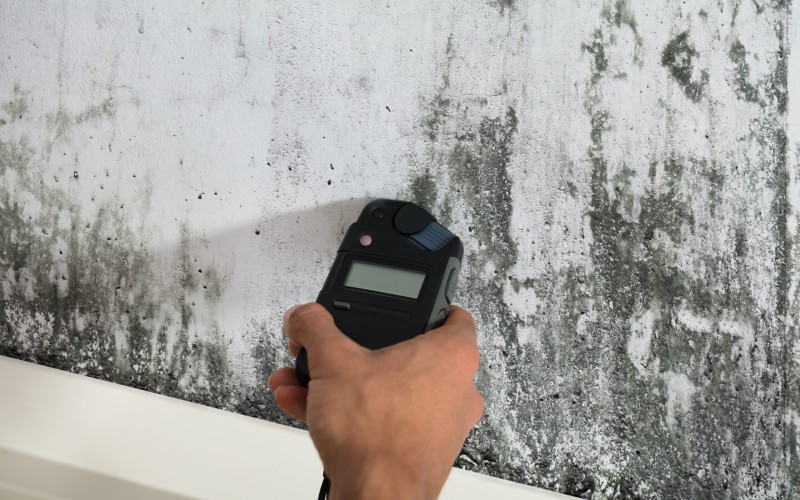
Mold Testing & Assessment
Mold Testing & Assessment identifies and evaluates mold growth in buildings. Air and surface samples are collected and analyzed in certified laboratories to determine species and concentration. Detailed reports provide guidance for remediation and prevention. Strict quality protocols ensure accurate and reliable results. Services support homeowners, contractors, and businesses in maintaining safe, healthy environments while complying with health and safety regulations.
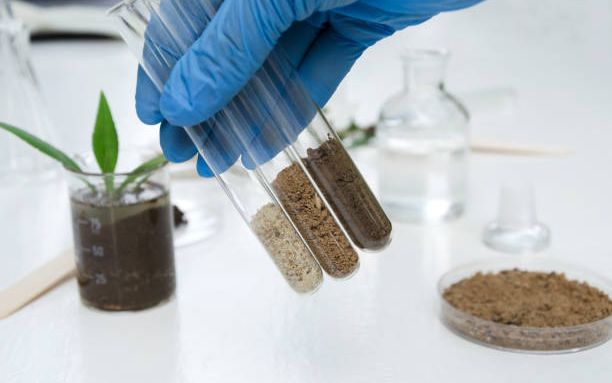
Soil and Groundwater Testing
Soil and Groundwater Testing detects contaminants such as heavy metals, petroleum products, and chemicals in soil and water. Samples are collected using field protocols and analyzed in certified labs to ensure accuracy. Reports identify potential environmental risks and support compliance with state and federal regulations. Quality controls, including blanks, duplicates, and spikes, maintain data reliability. Services help clients make informed decisions for environmental management and site safety.
_1758888865.jpg)
Environmental Site Assessment (Phase 1, Phase 2, Phase 3)
Phase I & II Environmental Site Assessments evaluate properties for potential contamination. Phase I includes historical research and site inspection to identify Recognized Environmental Conditions (RECs). Phase II involves soil, water, and material sampling with laboratory analysis to confirm contamination. Detailed reports provide guidance for remediation, risk management, and regulatory compliance. Strict quality controls ensure reliable results for residential, commercial, and industrial property assessments.
_1758887653.jpg)
Phase I ESA – Preliminary Assessment
Phase I Environmental Site Assessment reviews property history, records, and site conditions to identify potential contamination risks. The goal is to detect Recognized Environmental Conditions (RECs) and determine if further investigation is required.
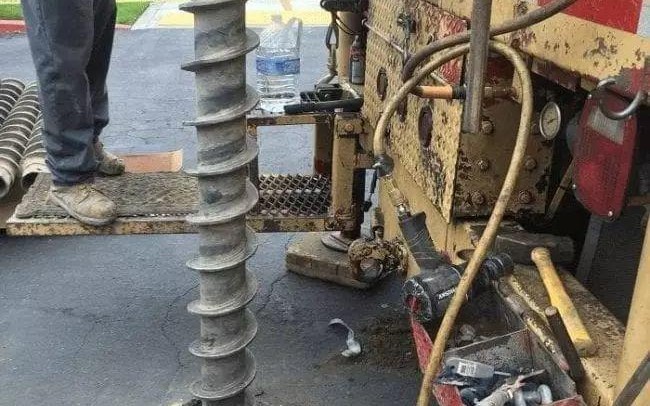
Phase II ESA – Detailed Assessment
Environmental Sampling & Analysis involves collecting soil, water, or vapor samples and testing them for contaminants such as heavy metals, petroleum, or VOCs. The results guide decisions on remediation, redevelopment, and safe property use.
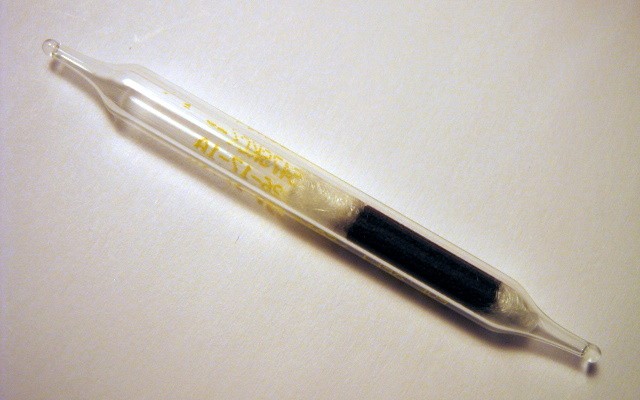
EPA Mercury Sampling and Testing
EPA Mercury Sampling involves specialized methods to detect mercury in water, air, soil, and waste. Techniques like Method 1631 (water), Clean Hands/Dirty Hands (field protocol), and Methods 7471B/7473 (solids) ensure accurate results. Air sampling uses sorbent or gold traps, while strict quality controls (blanks, duplicates, spikes) maintain data reliability for environmental and regulatory compliance.

Lead Dust Wipe Sampling
Lead Dust Wipe Sampling is a safety method that collects dust from floors, windowsills, and troughs using pre-moistened wipes. Samples are sealed, sent to certified labs, and compared with EPA/HUD limits to check compliance. Commonly used after renovations and in housing, schools, and child care facilities.
How We Make Work Successful
1Analyze
We begin by understanding your environment and challenges. Through data gathering, inspections, and compliance review, we tailor our approach to what your site and project truly require.
2Advise
Once we understand the situation, we offer clear, expert guidance. We map out what needs to be done — whether for safety, regulatory compliance, remediation — and outline realistic steps toward your goals.
3Strategize
Our team develops a detailed action plan. We set priorities, define roles and workflows, and provide you with a proven roadmap to accomplish complex environmental and regulatory tasks.
4Deliver Results
Finally, we bring the plan to life. We handle execution, monitoring, and post-completion verification — ensuring the project meets safety standards, regulatory requirements, and your expectations.
_1757575346.png)
_1757575652.png)
_1757575685.png)
_1757575717.png)